Beat the Holiday Rush: Why Mobile Units Are the Best Seasonal Stock Storage Solution
Key Takeaways:
- Securing on-demand seasonal stock storage prevents severe e-commerce fulfilment bottlenecks during peak trading periods like Black Friday and Christmas.
- Deliverable retail storage containers eliminate double-handling by bringing secure, ground-level loading access directly to your commercial premises.
- Utilising 10-cubic metre capacity mobile units allows businesses to scale space up and down without signing rigid commercial warehouse leases.
- Heavy-duty solid steel construction ensures physical asset protection for excess retail stock against harsh weather and pests.
Retailers and commercial enterprises face immense logistical pressure when preparing for peak trading periods. When massive shipments of Black Friday and Christmas inventory arrive, businesses rapidly run out of floor space, leading to unsafe workspaces and delayed dispatch times. Attempting to manage this supply chain surge by signing a long-term commercial lease introduces unnecessary financial overhead for a short-term problem. By integrating flexible mobile units, businesses can securely hold overflow stock storage on-site or at a secure facility. This guide explores how deliverable containers streamline supply chain logistics, cut operational costs, and keep your retail operations running smoothly during the busiest months of the year.
The Logistical Challenges of Managing Holiday Inventory Storage
The logistical challenges of managing holiday inventory storage involve overcoming restricted floor space, disorganised supply chains, and safety hazards caused by sudden spikes in inbound stock. When commercial retailers order bulk merchandise for the holiday season, standard stockrooms quickly become overwhelmed. This sudden influx forces staff to stack boxes in aisles, break rooms, and active shop floors, creating severe safety risks. Under Safe Work Australia (SWA) guidelines and strict WHS regulations, businesses are legally required to maintain clear walkways for emergency egress and minimise manual handling hazards.
Storing heavy holiday inventory in unapproved areas violates these compliance standards and exposes business owners to significant liability. Furthermore, disorganised inventory leads to stock misplacement and inaccurate stocktakes. When warehouse teams cannot locate specific items efficiently, customer orders are delayed, leading to negative reviews and lost revenue. Solving this requires an immediate expansion of physical space that isolates surplus goods from daily retail operations.
How Temporary Business Storage Prevents Fulfilment Bottlenecks
Temporary business storage prevents fulfilment bottlenecks by providing immediate off-site capacity to clear active packing floors and streamline e-commerce dispatch processes. An uncluttered dispatch area is essential for maintaining fast, accurate shipping times during peak sales events. When staff are forced to navigate around pallets of excess stock, their packing speed drops significantly.
In our experience with retail clients across South Australia, we have seen that businesses deploying modular containers directly outside their fulfilment centres experience a dramatic increase in processing efficiency. By moving bulk reserves into a separate, secure unit, the primary warehouse floor remains dedicated entirely to active picking and packing. Once the active stock depletes, teams simply transfer the next batch from the container, ensuring a smooth, uninterrupted supply chain throughout the holiday rush.
Eliminating Double-Handling with Ground-Level Retail Storage Containers
Ground-level retail storage containers eliminate double-handling by allowing staff to pack stock directly into a secure unit stationed at their premises, bypassing the need for off-site transportation. Traditional storage methods require loading inventory into a van, driving it across town, and unpacking it into a distant warehouse. This repetitive handling inflates labour costs and increases the likelihood of damaging fragile retail merchandise.
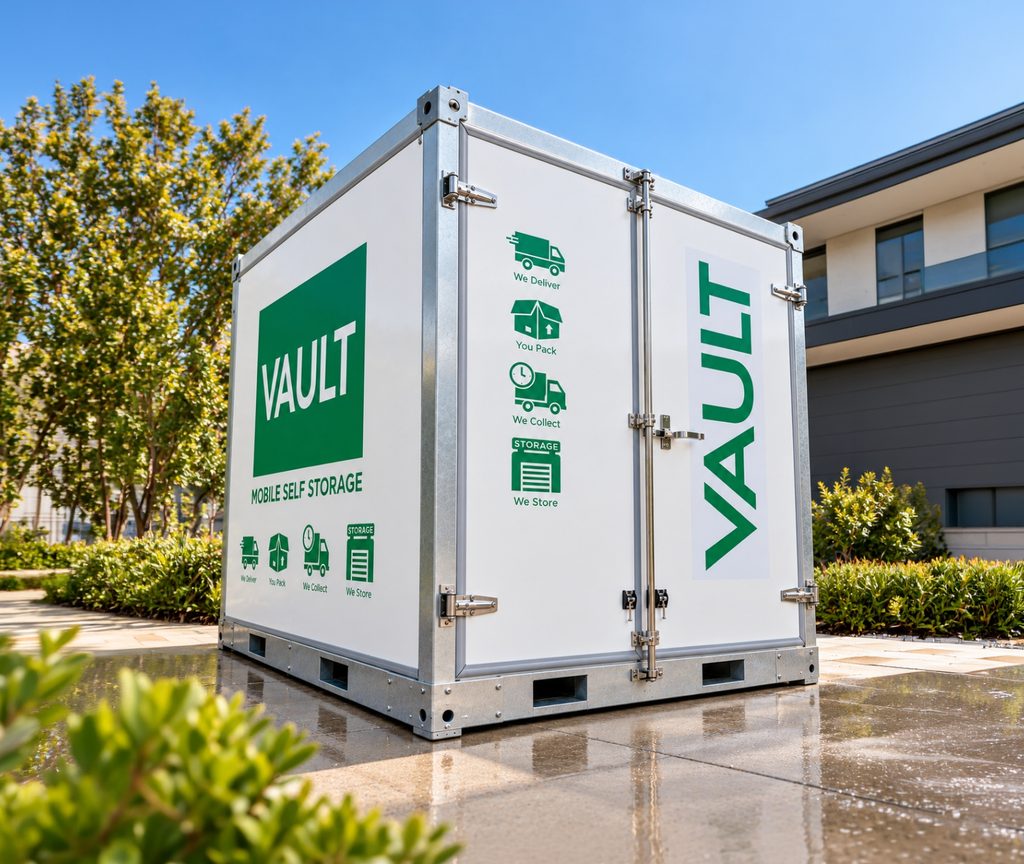
Vault’s deliver-and-collect process establishes an incredibly efficient workflow. We deliver empty, clean units straight to your facility. Your team can load pallets and boxes straight into the unit at ground level, without requiring expensive forklifts or loading docks.
| Operational Metric | Traditional Off-Site Warehousing | Vault Mobile Storage Alternative |
| Loading Access | Requires transport vehicles and loading docks | Ground-level loading directly at your business |
| Handling Risk | High (multiple transit and transfer stages) | Low (pack once directly into the final container) |
| Labour Costs | High (paying staff to drive and unload off-site) | Low (immediate access saves transit hours) |
| Space Scaling | Fixed footprint regardless of inventory levels | Modular (add or remove units as stock fluctuates) |
Safeguarding Overflow Stock with Solid Steel Weatherproof Security
Wasting premium office space on dead inventory incurs a significant financial penalty by converting high-cost commercial square footage into glorified storage rooms. Commercial real estate in prime business dSafeguarding overflow stock requires solid steel weatherproof security to actively defend high-value commercial merchandise from harsh environmental elements, dust, and forced entry. Holiday inventory represents a massive capital investment, and storing it in flimsy canvas pods or unsecured sheds exposes your business to devastating financial losses.
Vault units are built with solid steel construction, providing an impenetrable barrier that seals out unpredictable weather and vermin. To help gauge exactly how much merchandise you can secure, a single 10-cubic metre capacity unit provides the following business benchmarks:
- Retail Cartons: Holds approximately 150 to 200 medium-sized inventory cartons.
- Palletised Goods: Accommodates 4 to 6 standard pallets of bulk merchandise.
- Display Equipment: Easily houses seasonal shop fittings, mannequins, and promotional banners.
Because Vault units are heavy-duty but not climate-controlled, protecting sensitive inventory like electronics or apparel requires smart internal packing. Placing delicate items inside airtight plastic tubs with silica gel packets provides ultimate moisture control during seasonal temperature shifts.
Avoiding the Financial Trap of Long-Term Commercial Lease Agreements
Businesses can avoid the financial trap of long-term commercial lease agreements by utilising flexible warehouse space that scales up exclusively during peak trading periods and scales down immediately afterward. Signing a three-year commercial property lease to solve a three-month inventory surge traps businesses into paying ongoing base rent, outgoings, and utility fees long after the holiday stock has been sold.
By relying on temporary business storage, companies convert a fixed overhead into a variable expense. You rent the exact number of containers you need in October, use them through the peak November and December periods, and have them collected in January. This strategic approach preserves critical cash flow and maximises your operational return on investment.
Optimise Your Seasonal Stock Storage with Vault Mobile Storage in Adelaide
You can optimise your seasonal stock storage with Vault Mobile Storage in Adelaide by partnering with a local logistics provider that delivers secure 10-cubic metre units directly to your commercial doorstep. Preparing for the holiday rush should focus on maximising sales, not stressing over where to put excess boxes. Our team provides South Australian retailers with the robust infrastructure and flexible terms needed to manage seasonal inventory spikes seamlessly.
By eliminating double-handling logistics and reducing floor space congestion, Vault ensures your business remains highly efficient during peak trading. Take control of your holiday supply chain today. Contact Vault Mobile Storage to discuss your commercial requirements and discover how our flexible warehouse space solutions can streamline your operations.
Frequently Asked Questions
What are the logistical challenges of managing holiday inventory storage?
The logistical challenges of managing holiday inventory storage involve overcoming restricted floor space, disorganised supply chains, and safety hazards caused by sudden spikes in inbound stock. An influx of goods can clutter dispatch areas, creating severe safety risks and violating Safe Work Australia (SWA) regulations regarding emergency egress.
How does temporary business storage prevent fulfilment bottlenecks?
Temporary business storage prevents fulfilment bottlenecks by providing immediate off-site capacity to clear active packing floors and streamline e-commerce dispatch processes. Keeping surplus stock in a separate container allows the primary warehouse floor to remain dedicated to fast, accurate order packing.
How do retail storage containers eliminate double-handling?
Ground-level retail storage containers eliminate double-handling by allowing staff to pack stock directly into a secure unit stationed at their premises, bypassing the need for off-site transportation. This single-step loading process saves labour hours and reduces the risk of damaging merchandise in transit.
How should businesses safeguard overflow stock from the weather?
Safeguarding overflow stock requires solid steel weatherproof security to actively defend high-value commercial merchandise from harsh environmental elements, dust, and forced entry. For sensitive items, businesses should combine this heavy-duty external protection with airtight plastic tubs and silica gel packets for internal moisture control.

About the Author: Vault Mobile Storage
Vault Mobile Storage is an Adelaide-based logistics provider specialising in secure, flexible, and scalable mobile storage solutions for businesses and residents across South Australia. With deep expertise in commercial inventory management, supply chain logistics, and on-site storage containers, the Vault team helps local retailers eliminate double-handling, reduce operational overheads, and streamline operations during peak trading periods.