
Renovation Storage Tips: Safely Storing Belongings During Property Upgrades

Introduction to Fitness Facility Organisation
Embarking on a home renovation project is an exciting yet challenging endeavour. Whether you’re remodelling a single room or undertaking a whole-house renovation, one of the key considerations is how to manage and protect your belongings during the process. From furniture and electronics to cherished personal items, ensuring that your possessions are safe and accessible while your home undergoes its transformation is crucial. This is where effective mobile storage for renovations comes into play.
Mobile storage for renovations involves carefully planning where and how to store your items to keep them out of the way and protected from dust, debris, and potential damage. With a range of convenient renovation storage options available, from traditional self-storage units to innovative mobile storage solutions, finding the right method for your needs can significantly ease the stress of a home renovation.
Benefits of Mobile Storage Units
Mobile storage for renovations has become increasingly popular among homeowners undergoing home remodelling and for good reasons. These versatile storage solutions offer numerous benefits that make them an ideal choice for keeping your belongings safe and organised during property upgrades.
Convenience and Accessibility
One of the primary advantages of mobile storage units is their convenience. These secure renovation storage units are delivered directly to your home, allowing you to pack your belongings at your own pace. Once filled, the unit can either remain on your property for easy access or be transported to a secure storage facility until you need your items again. This eliminates the need for multiple trips to a distant storage location and provides unparalleled renovation storage accessibility throughout the renovation process.
Protection from Damage
Home renovations can be messy and unpredictable. Mobile storage for renovations provides a secure and weatherproof environment for your belongings, shielding them from potential damage caused by construction dust, moisture, and accidental impacts. This peace of mind is invaluable, especially for items that are particularly delicate or valuable.
Flexibility
Every renovation project is unique, and mobile storage units offer the flexibility to accommodate various needs. Whether you require short-term storage for a few weeks or long-term storage for several months, these units can be rented for the exact duration of your project. Additionally, they come in different sizes, allowing you to choose the one that best fits the volume of items you need to store.
Cost-Effectiveness
Compared to traditional storage methods, mobile storage units can be a cost-effective solution. They eliminate the need for moving trucks and professional movers, reducing overall expenses. Furthermore, many mobile storage providers offer competitive pricing and discounts for extended rental periods, making it easier to stay within your renovation budget.
Security
Security is a top concern when storing your belongings off-site. Reputable mobile storage companies provide robust renovation storage security measures, including 24/7 surveillance, secure locks, and climate-controlled environments. This ensures that your possessions are well protected against theft, vandalism, and environmental hazards.
Decluttering Your Space
By using mobile storage units, you can declutter your living space and create a safer, more efficient work area for contractors. Removing unnecessary items from the renovation zone minimises the risk of accidents and allows workers to move freely, leading to a smoother and faster renovation process.
Assessing Your Storage Needs

Before diving into the logistics of storing your belongings during a renovation, it’s essential to assess your storage needs accurately. This step ensures you choose the right storage solution and avoid unnecessary expenses or complications.
Inventory Your Belongings
Start by taking a comprehensive inventory of all the items you need to store. This includes furniture, electronics, appliances, clothing, documents, and personal items. Categorising your possessions can help you determine the amount of storage space required and prioritise what needs to be easily accessible.
Measure and Estimate Space
Once you have a renovation storage inventory management system in place, measure larger items and estimate the total volume of space you’ll need. This step is crucial for selecting an appropriately sized storage unit. Mobile storage units come in various sizes, so having precise measurements will help you avoid renting a unit that is too large or too small.
Consider Special Requirements
Some items may have specific storage requirements. For example, delicate electronics might need climate-controlled environments to prevent damage from temperature fluctuations. Antiques, artwork, and musical instruments also require special care. Identify these needs early to ensure you choose a storage solution that protects the necessary belongings during renovations.
Plan for Accessibility
Think about how often you’ll need to access your stored items during the renovation. If you require frequent access to certain belongings, it might be beneficial to keep those items in a more easily accessible part of the storage unit or even on-site if space permits.
Preparing Belongings for Storage
Properly preparing your belongings for storage is key to ensuring they remain in good condition throughout the renovation process. Here are some essential steps to follow:
Clean and Dry Items
Before packing, clean and dry all items thoroughly. Dirt and moisture can cause mould, mildew, and unpleasant odours over time. For textiles, such as clothing and bedding, consider using vacuum-sealed bags to reduce bulk and protect against moisture.
Disassemble Large Furniture
Disassemble large furniture pieces whenever possible. This not only saves space but also reduces the risk of damage during transportation and storage. Keep screws, bolts, and small parts in labelled bags attached to the furniture to make reassembly easier.
Use Quality Packing Materials
Invest in high-quality packing materials, including sturdy boxes, bubble wrap, packing paper, and furniture covers. Fragile items should be wrapped individually and packed with cushioning to prevent breakage. Label boxes clearly to make unpacking more efficient and organised.
Protect Against Moisture and Pests
To prevent moisture damage, use desiccants or moisture absorbers in your storage unit. Seal boxes tightly to keep out dust and pests. For added protection, consider using plastic bins with tight-fitting lids instead of cardboard boxes.
Protecting Items from Dust and Damage
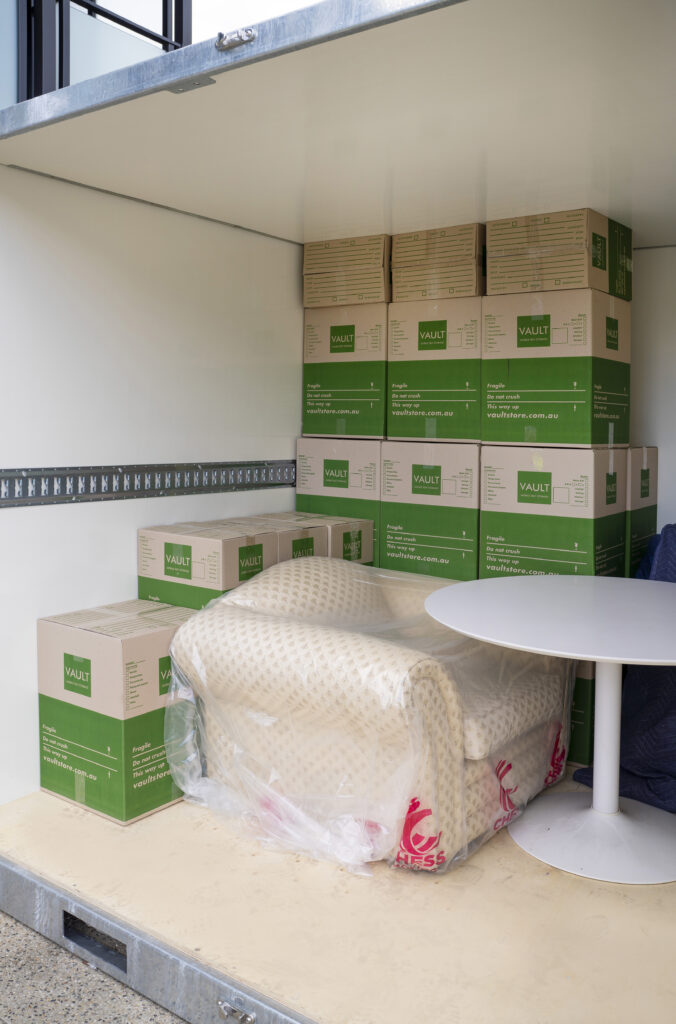
Renovations can create a lot of dust and debris, which can be harmful to your stored items. Taking steps to protect your belongings from these elements is crucial.
Cover Furniture and Large Items
Use dust covers, plastic sheeting, or moving blankets to cover furniture and large items. This prevents dust and debris from settling on surfaces and causing damage. Ensure covers are secure but allow for some airflow to avoid trapping moisture.
Elevate Items Off the Floor
Place items on pallets, shelving units, or risers to keep them off the floor. This is especially important if you’re storing items in a garage or basement where they might be exposed to potential flooding or dampness.
Seal Boxes and Containers
Seal all boxes and containers tightly to keep out dust. Use packing tape to secure seams and reinforce corners. For items that need extra protection, consider wrapping them in plastic before placing them in boxes.
Choosing the Right Mobile Storage Unit
Selecting the right mobile storage unit is crucial for ensuring your belongings are stored safely and efficiently during a renovation. Here are some key factors to consider when making your choice:
Size and Capacity
Mobile storage units come in various sizes, typically ranging from small units suitable for a single room’s contents to large units that can accommodate an entire household. Assess your storage needs based on the inventory you created earlier and choose a unit that provides enough space without being excessively large. It’s better to have a bit of extra space than to risk overcrowding the unit and damaging your belongings.
Security Features
Ensure the mobile storage unit provider offers robust security features. Look for units with secure locking mechanisms and choose a provider with a reputation for excellent security practices. Some companies offer additional security measures such as surveillance cameras, alarm systems, and secure storage facilities for off-site storage.
Delivery and Pick-Up Services
Check the delivery and pick-up services offered by the mobile storage provider. Reliable companies should be able to deliver the unit to your location promptly and schedule a pick-up at your convenience. Make sure they can accommodate your timeline and have a flexible policy for extending the rental period if needed.
Securing Furniture and Appliances
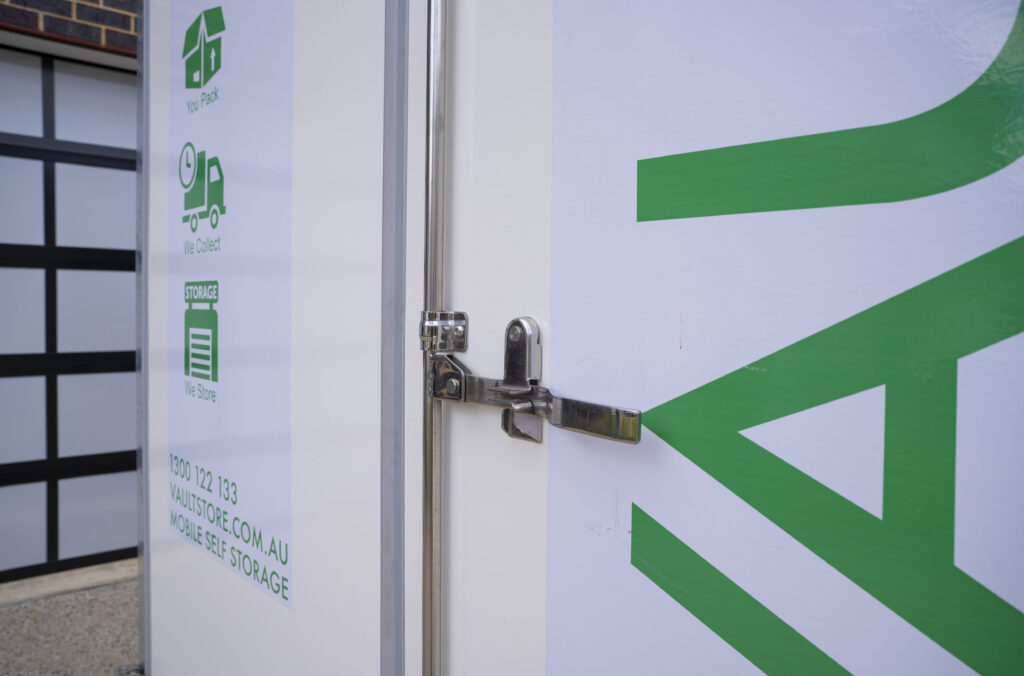
Properly securing furniture and appliances in your mobile storage unit is essential to prevent damage during transport and storage. Follow these steps to keep your larger items safe:
Use Furniture Pads and Covers
Wrap furniture in furniture pads, moving blankets, or plastic covers to protect against scratches, dents, and dust. Secure the covers with tape or stretch wrap to ensure they stay in place during transit.
Secure Moving Parts
For appliances and furniture with moving parts, such as drawers, doors, and shelves, use tape or stretch wrap to keep them securely closed. This prevents them from opening during transport and potentially causing damage.
Load Heavier Items First
When loading your storage unit, place heavier items, such as appliances and large furniture pieces, on the bottom. This provides a stable base and prevents lighter, more fragile items from being crushed or damaged.
Use Straps and Tie-Downs
Utilise straps and tie-downs to secure large items in place. Attach the straps to anchor points within the storage unit to prevent items from shifting during transit. This is especially important if the unit will be moved to an off-site location.
Organising Stored Items Efficiently
Efficient organisation of your stored items not only protects them but also makes retrieval easier when you need them. Here are some renovation storage organisation tips for your mobile storage unit:
Label Everything
Clearly label all boxes and containers with their contents and the room they belong to. This will save you time and effort when you need to find specific items or unpack after the renovation.
Use Uniform Boxes
Using uniform-sized boxes makes stacking and organising easier. It also maximises the use of space within the unit and helps prevent boxes from toppling over.
Stack Strategically
Place heavier boxes and items on the bottom and lighter, more fragile items on top. Ensure there are no unstable stacks that could collapse and cause damage.
Utilise Shelving
If your mobile storage unit is large enough, consider using freestanding shelving units. Shelves help keep items organised and make it easier to access smaller items that might otherwise get lost in larger boxes.
Monitoring and Maintaining Stored Items
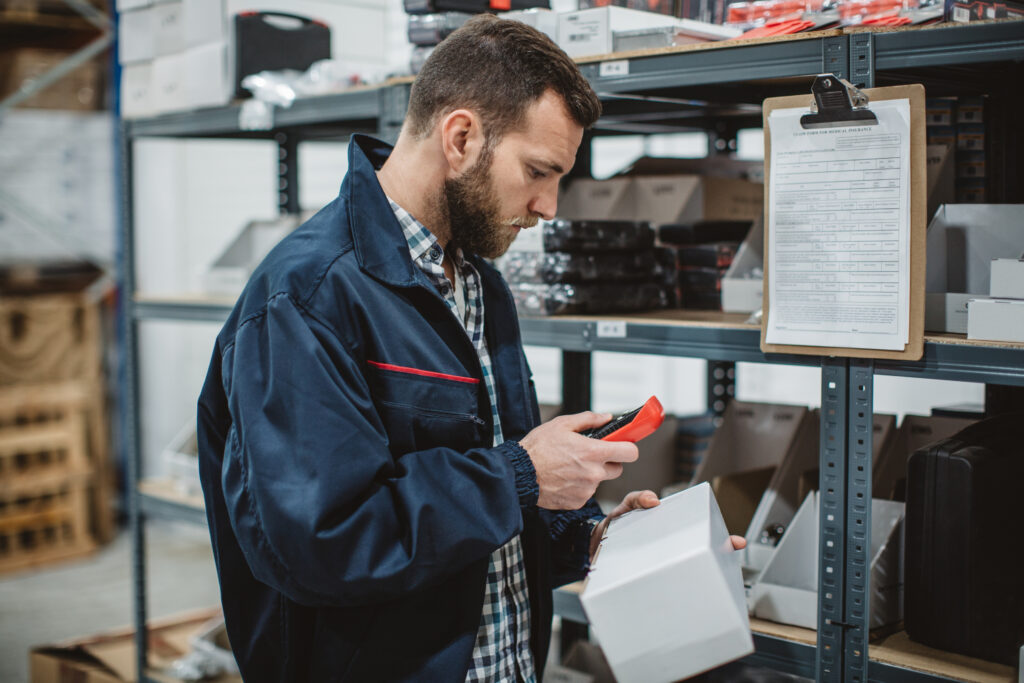
Regularly monitoring and maintaining your stored items ensures they remain in good condition throughout your renovation. Here are some renovation storage strategies to keep your belongings safe:
Regular Inspections
If your mobile storage unit is on-site, perform regular inspections to check for any signs of damage, moisture, or pest activity. Look for any issues with the storage unit itself, such as leaks or structural damage, and address them promptly.
Update Inventory
Keep your inventory list updated. If you add or remove items from the storage unit, note these changes. An up-to-date inventory is useful for insurance purposes and helps you keep track of your belongings.
Tips for Safe Loading and Unloading
Proper loading and unloading techniques are crucial to prevent damage to your belongings and ensure your safety. Follow these tips for safe handling:
Use Proper Lifting Techniques
Always lift with your legs, not your back, to avoid injuries. Bend your knees and keep your back straight when lifting heavy items. If an item is too heavy to lift safely, ask for help or use a dolly.
Distribute Weight Evenly
When loading the storage unit, distribute weight evenly to avoid shifting during transit. Place heavier items on the bottom and lighter items on top. Ensure that stacks are stable and won’t topple over.
Secure Loose Items
Use straps and tie-downs to secure loose items and prevent them from moving during transportation. This is especially important for fragile items and those with wheels or movable parts.
Use Ramps and Dollies
If your storage unit comes with a ramp, use it to move heavy items in and out safely. Dollies and hand trucks can help transport bulky items with minimal effort and reduce the risk of injury.
Finalising Storage Arrangements
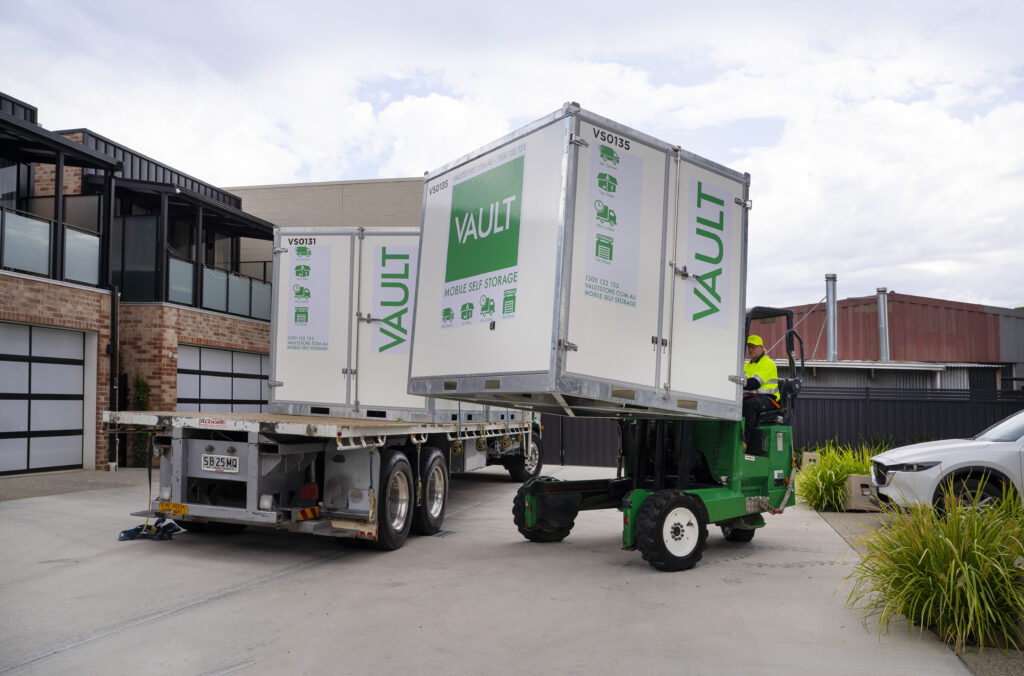
As your renovation project progresses, finalise your dust-free renovation storage arrangements to ensure a smooth transition back to your renovated space.
Schedule Pick-Up or Delivery
Coordinate with your mobile storage provider to schedule the pick-up or delivery of your storage unit at a convenient time. Ensure you have enough help on hand to unload and move items back into your home.
Inspect Items Upon Unloading
As you unload items, inspect them for any signs of damage. Report any issues to your storage provider immediately if you notice damage that may have occurred during storage or transit.
Clean and Reassemble
Clean items that may have accumulated dust during storage before bringing them back into your home. Reassemble furniture and appliances as needed, following any instructions or labels you attached during the packing process.
Safely Storing Belongings
Embarking on a home renovation project requires careful planning and consideration, especially when it comes to storing your belongings. By choosing the right mobile storage for renovations, securing and organising your items effectively, and maintaining regular inspections, you can ensure your possessions remain safe and intact throughout the renovation process.
For homeowners seeking a reliable and convenient renovation storage solution, Vault Mobile Storage offers top-notch services designed to meet your needs. With secure units and flexible rental options, Vault Mobile Storage provides peace of mind and ease during your property upgrades.Contact Vault Mobile Storage today by visiting https://vaultstore.com.au/ or calling 1300 021 430 to learn more about how we can help you with your mobile storage for renovation needs.